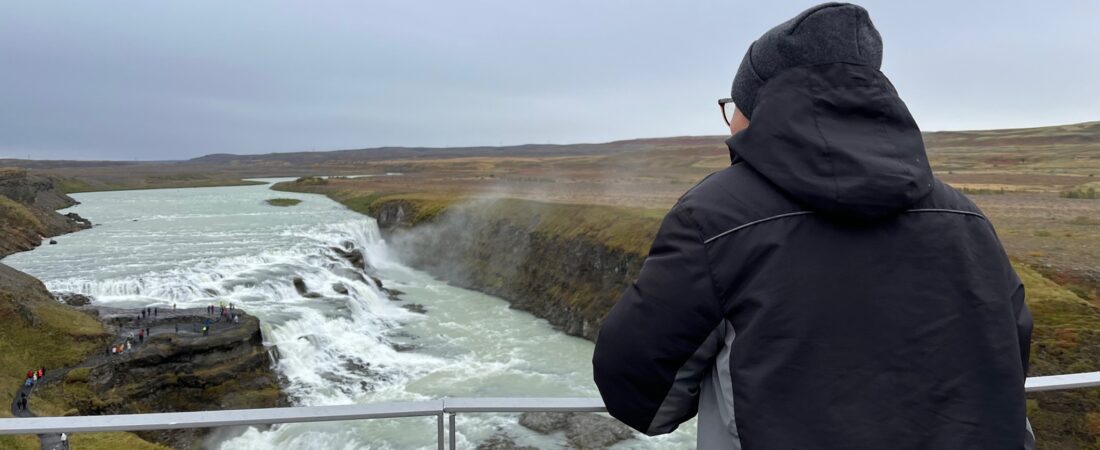
That’s me overlooking Gullfoss Waterfall along Iceland’s Golden Circle during my solo adventure.
Affiliate disclosure: This article contains affiliate links. I may earn a commission from qualifying purchases at no extra cost to you. As an Amazon Associate I earn from qualifying purchases. The products below are suggestions to consider, not products I claim to have personally tested.
Image note: This article includes AI-generated images for illustrative purposes alongside my original featured travel photograph.
Travelling alone for the first time can be both exciting and intimidating. The thought of visiting an unfamiliar destination, navigating public transportation, eating alone and making every decision yourself may feel overwhelming at first. However, one of the most rewarding things I have discovered through my solo travels is that you become more confident with every new experience. You begin to appreciate the freedom of exploring at your own pace, making your own plans and discovering places without having to adjust your schedule to someone else’s preferences.
From exploring European cities to experiencing short airport layovers in Asia and travelling to Mexico for my birthday, solo travel has taught me valuable lessons about independence, preparation and managing my travel budget. Not every journey needs to be expensive, perfectly organised or filled with extraordinary adventures. Sometimes, the simplest experiences become the most memorable ones.
If you are preparing for your first independent adventure, here are 30 essential solo travel tips for beginners to help you enjoy a more comfortable, rewarding and confident journey.
1. Start with a Destination That Is Easy to Explore Alone
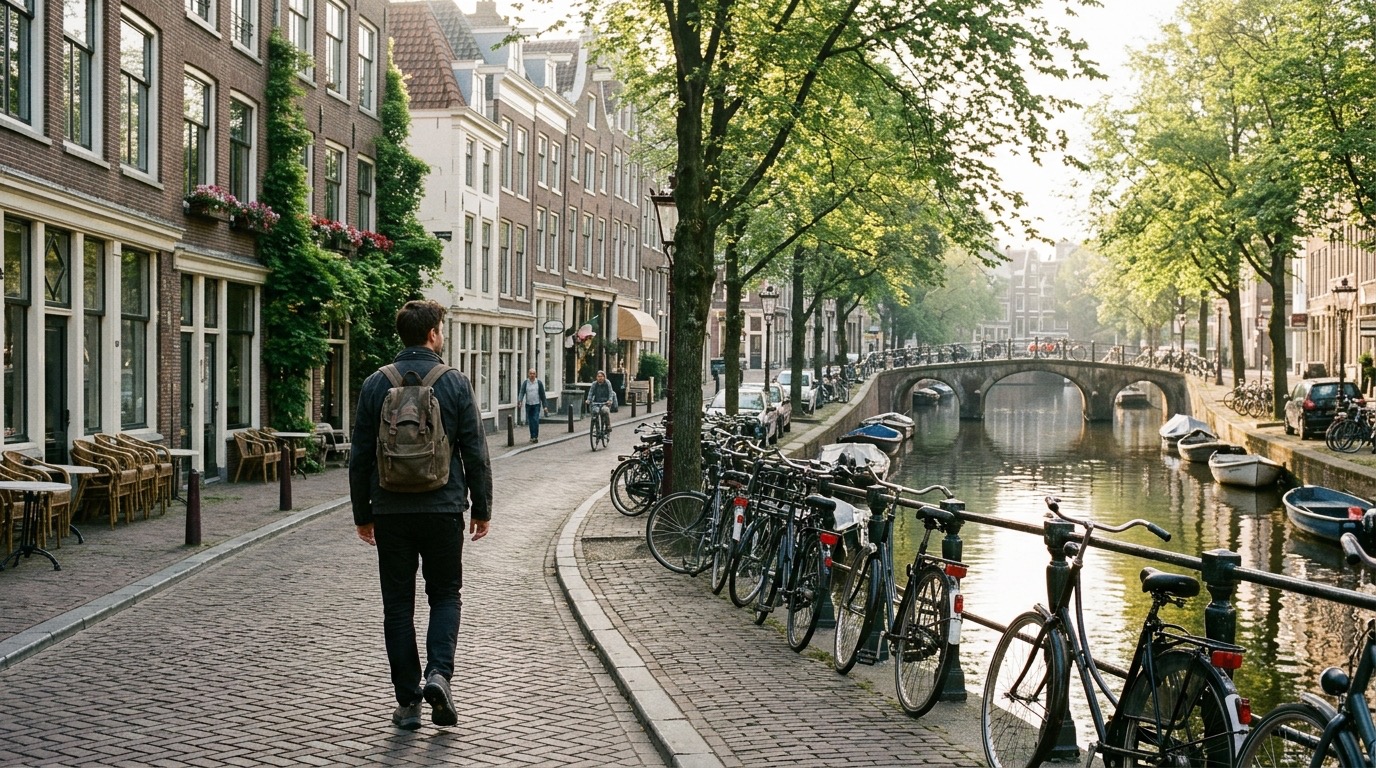
Choosing the right destination can make a significant difference to your first solo travel experience. I recommend starting somewhere with reliable public transportation, accessible accommodation and attractions that are relatively easy to reach. Cities such as Amsterdam, Copenhagen and Seoul are examples of destinations I have explored independently. Before booking, research the neighbourhoods, transportation options, local customs and general travel costs. You do not need to choose somewhere completely unfamiliar simply to challenge yourself. Starting with a destination that matches your comfort level allows you to develop your confidence while enjoying the experience of travelling independently.
2. Make Your First Solo Adventure a Short Getaway
Your first solo trip does not need to involve several weeks of travelling through different countries. A three- or four-day city break can provide enough time to experience independent travel without making the journey feel overwhelming. Even a short airport layover can become an exciting opportunity to explore a new destination when entry requirements and timing allow. My experiences exploring Seoul, Hong Kong and Vancouver during layovers have shown me that travelling does not always require an extended holiday. Starting with a manageable adventure can help you understand your travel preferences before committing to a longer or more complicated itinerary.
3. Understand the Additional Costs of Travelling Alone
One important consideration when planning a solo trip is that you will be responsible for expenses that couples or groups can sometimes share. Hotel rooms, taxis and certain organised tours may become more expensive when there is nobody to split the cost with. Some travel companies also charge additional fees for single occupancy. Before making reservations, compare the total price rather than focusing only on advertised starting rates. I prefer looking at affordable accommodation, public transportation and activities that offer good value for individual travellers. Travelling alone does not necessarily have to be expensive, but understanding these costs can help you create a realistic budget.
4. Choose Accommodation That Offers Comfort and Opportunities to Socialise

Accommodation can influence how much you enjoy travelling alone, particularly during your first few days in an unfamiliar destination. I often consider hostels because they can provide an affordable place to stay while offering shared spaces where travellers can meet one another. During my birthday trip to Cancún, Mexico, I stayed at Mayan Monkey Hostel before experiencing an all-inclusive resort later in my holiday. These different accommodation styles offered different experiences. If you are uncomfortable sleeping in a shared dormitory, consider booking a private hostel room. Always read recent guest reviews and check the property’s location, security features and overall atmosphere before making your reservation.

A compact travel towel is worth considering if your hostel does not provide towels or charges a rental fee.
5. Pack Light Enough to Manage Your Own Luggage

When you travel independently, you are responsible for carrying everything you bring. This becomes particularly noticeable when moving between airports, train stations, buses and accommodation. Packing unnecessary clothing and accessories can make transportation more complicated and leave you feeling exhausted before you reach your destination. I prefer focusing on practical essentials, comfortable clothing and items that serve more than one purpose. Before leaving home, try carrying your packed luggage for a short distance to see whether it feels manageable. Bringing less can make independent travel considerably easier, especially when accommodation does not have a lift or public transportation involves several transfers.
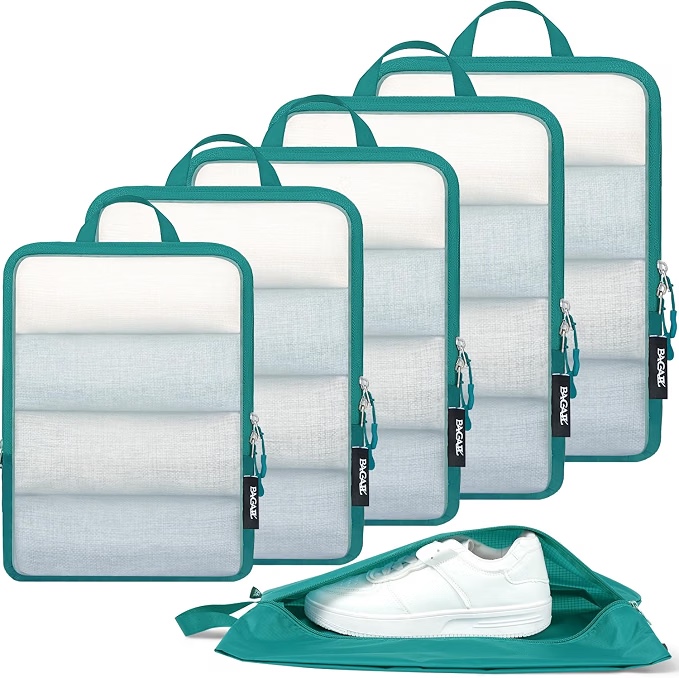
Organise clothing by type so it is easier to find what you need without unpacking your entire bag. Check the cube dimensions against your luggage.
6. Prepare Backup Copies of Important Travel Documents
Losing access to your travel documents can create unnecessary stress, especially when you are travelling alone. Before departure, organise your passport information, accommodation confirmations, transportation reservations and insurance documents. Keep secure digital copies that you can access when necessary, along with a separate offline or printed record of essential contact information. Avoid storing sensitive documents in unsecured applications or sharing them with people you do not trust. Having a backup plan can make unexpected situations easier to manage. Even something as simple as keeping your accommodation address available offline can be helpful if your phone loses its internet connection after arriving in a new country.
7. Share Your Travel Plans with Someone You Trust
Although travelling alone gives you independence, staying connected with someone at home can provide additional peace of mind. Before leaving, share your approximate itinerary, accommodation details and transportation arrangements with a trusted friend or family member. You can agree on a simple schedule for checking in, especially when moving between destinations. There is no need to spend your entire holiday constantly updating people about your activities. A short message confirming that you have arrived safely can often be enough. Knowing that someone is familiar with your general plans can help you enjoy the freedom of solo travel while maintaining a sensible safety routine.
8. Arrange Suitable Travel Insurance Before Your Departure
Travel insurance is an important part of preparing for an international adventure, particularly when unexpected medical expenses or travel disruptions could affect your budget. Take time to compare different policies and understand what they cover, including emergency medical treatment, cancellation, lost belongings and emergency transportation. If you have existing medical conditions or plan to participate in specific activities, check whether additional coverage is necessary. As a traveller based in Canada, I recommend reviewing the travel information provided by the Government of Canada at Travel.gc.ca. Travellers from other countries should consult their own official government resources and choose insurance suitable for their individual circumstances.
9. Plan How You Will Stay Connected While Travelling

Having reliable mobile connectivity can make solo travel much more convenient. Your phone can help you navigate public transportation, find accommodation, translate unfamiliar words and access important reservations. Before travelling internationally, compare your mobile provider’s roaming charges with local SIM card and travel eSIM options. Check that your device supports the service you intend to purchase. I also recommend downloading offline maps and saving essential travel information before departure. You may not always have access to Wi-Fi or mobile data when you need it most. Preparing these resources in advance allows you to explore more independently without relying entirely on an internet connection.

Stay connected wherever you travel
Explore Airalo’s local, regional and global eSIM data plans. Check your device compatibility, destination coverage and plan details before purchasing.
Explore eSIM Plans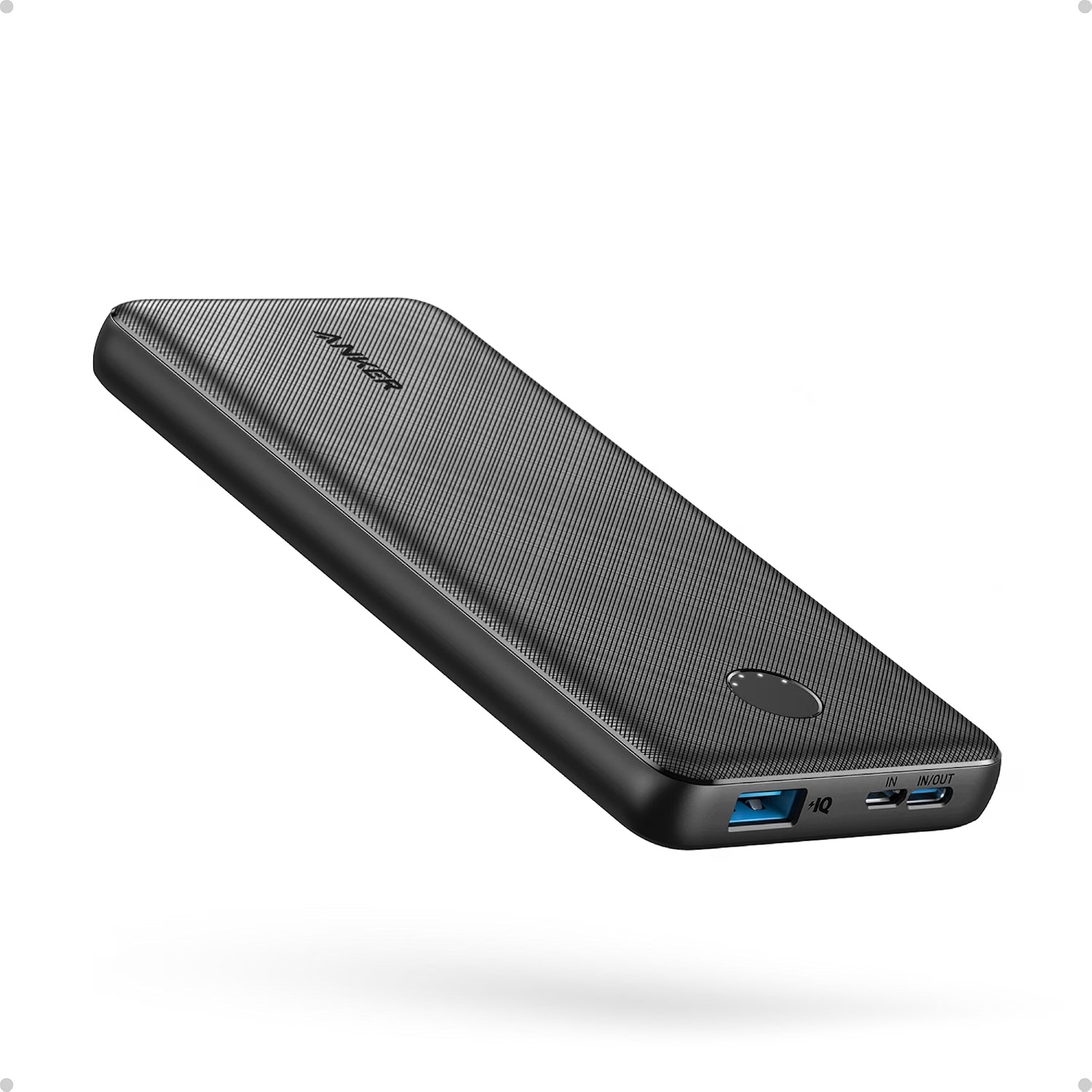
A portable charger can help keep your phone available for maps, tickets and reservations during long days out. Check device compatibility and airline battery rules.
10. Bring More Than One Payment Option
Managing your money becomes particularly important when there is nobody travelling with you who can cover unexpected expenses. Depending entirely on one bank card can create difficulties if it becomes damaged, misplaced or temporarily blocked. Consider carrying a backup payment card and keeping it separately from your primary card. A reasonable amount of local currency may also be useful for smaller purchases, markets and transportation services that do not accept electronic payments. Before departure, review your bank’s international transaction fees and withdrawal charges. Having several secure ways to access your money can prevent minor inconveniences from becoming significant disruptions during your solo adventure.
11. Research Entry Requirements and Official Travel Advisories
Before booking an international trip, I recommend checking official information about your destination rather than depending entirely on social media recommendations or older travel articles. Passport validity requirements, visas, local regulations and safety conditions can change over time. Canadian travellers can review the latest Travel Advice and Advisories provided by the Government of Canada. If you hold a passport from another country, consult the appropriate government and immigration authorities. Understanding these requirements before departure can help you avoid unnecessary problems at airports and border crossings. Reliable preparation is especially valuable when you are responsible for managing the entire journey yourself.
12. Schedule Your Arrival During Daylight Whenever Possible
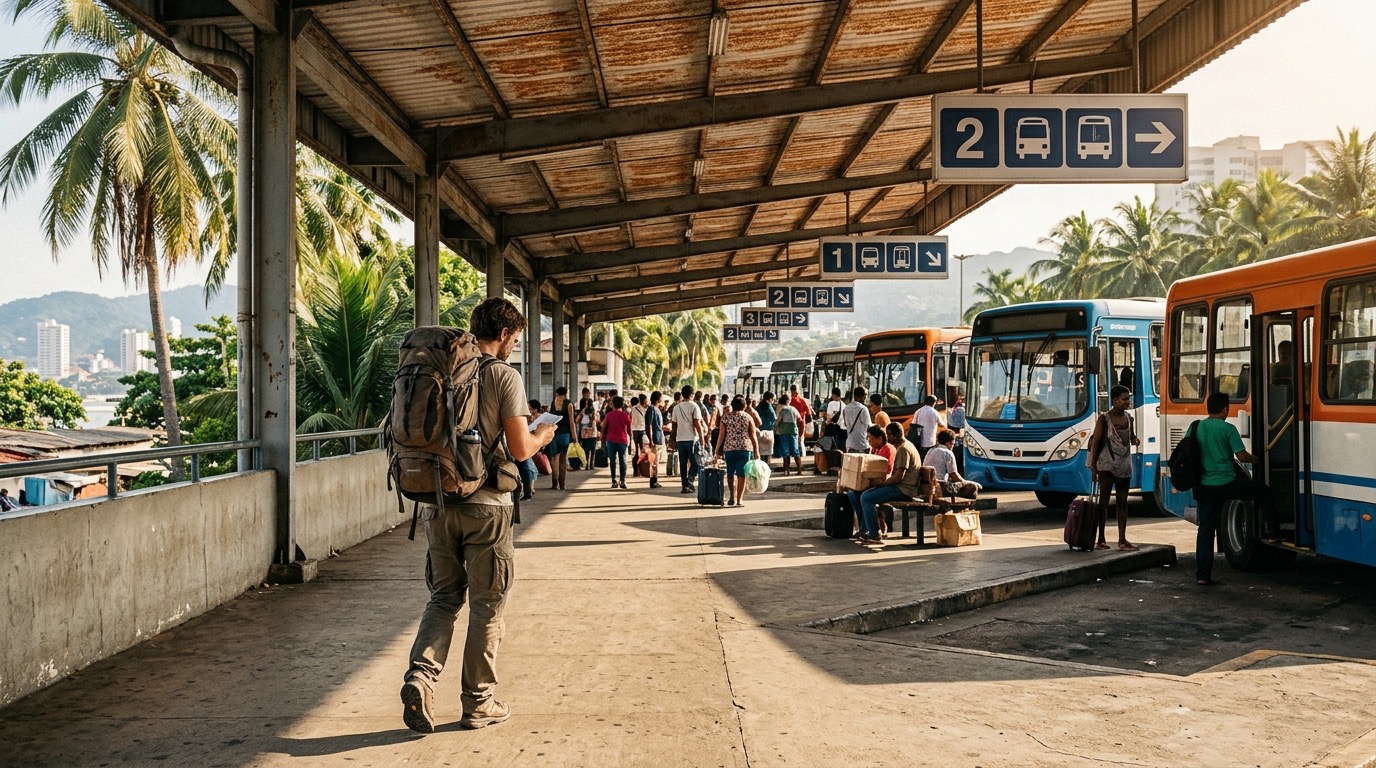
Arriving in an unfamiliar destination during the daytime can make your first few hours considerably easier. You have more opportunities to familiarise yourself with your surroundings, identify transportation options and locate your accommodation. When I arrived in Cancún during my solo birthday trip, I travelled from the airport to the downtown bus terminal before taking local transportation towards the Hotel Zone. Knowing your transportation options in advance can help you manage similar journeys with confidence. If arriving at night is unavoidable, arrange a reliable transfer beforehand and confirm your accommodation’s check-in arrangements so you are not trying to resolve everything after a tiring journey.
13. Keep Your Passport and Valuable Belongings Secure
Busy airports, railway stations and tourist attractions can be distracting, particularly when you are carrying luggage and trying to follow directions. Develop simple habits that help you keep important belongings secure without becoming unnecessarily anxious. A zipped crossbody bag or an internal backpack compartment can make essential items easier to manage. Avoid leaving your phone or wallet unattended on restaurant tables, and use suitable lockers or safes where available. Carry only the cash and valuables you reasonably need for the day’s activities. Being aware of your belongings allows you to focus on discovering your destination instead of constantly worrying about losing something important.
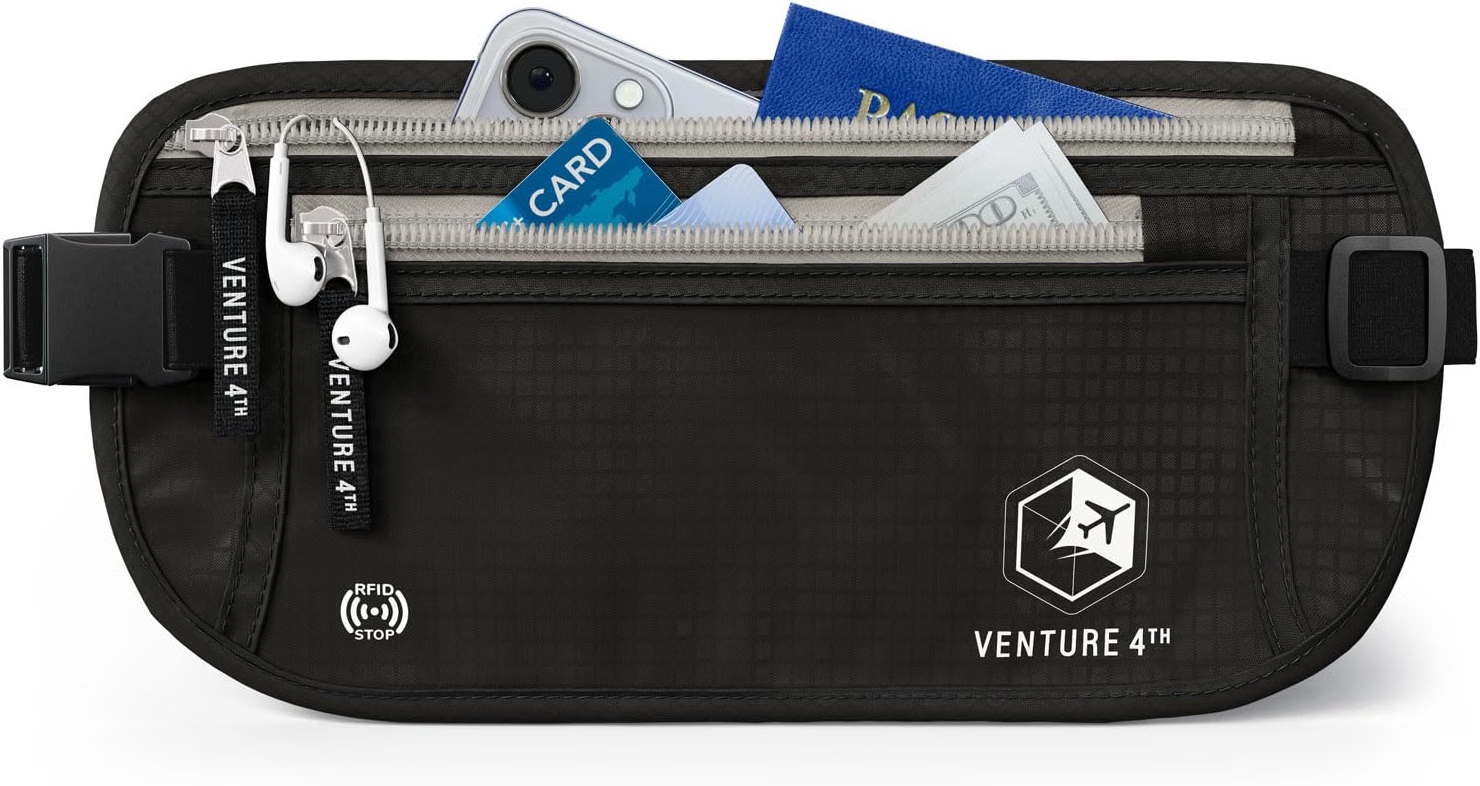
A discreet money belt is one option for carrying backup cash and essential documents close to your body. It is not a substitute for staying alert.

A phone pouch can be handy around beaches and in wet conditions. Check the manufacturer’s water-resistance limits and test its seal before use.
14. Find Enjoyable Ways to Spend Time Between Destinations
Flight delays, airport connections and long transportation journeys are normal parts of travelling. When you are alone, these periods can become opportunities to relax rather than simply time spent waiting. Download a few podcasts, bring something to read or use the opportunity to organise photographs from your journey. I also enjoy the possibilities that certain longer airport layovers can provide when there is enough time to leave the airport safely. However, not every waiting period needs to become another adventure. Sometimes, enjoying a coffee, watching the surroundings or simply resting before the next part of your journey is exactly what you need.
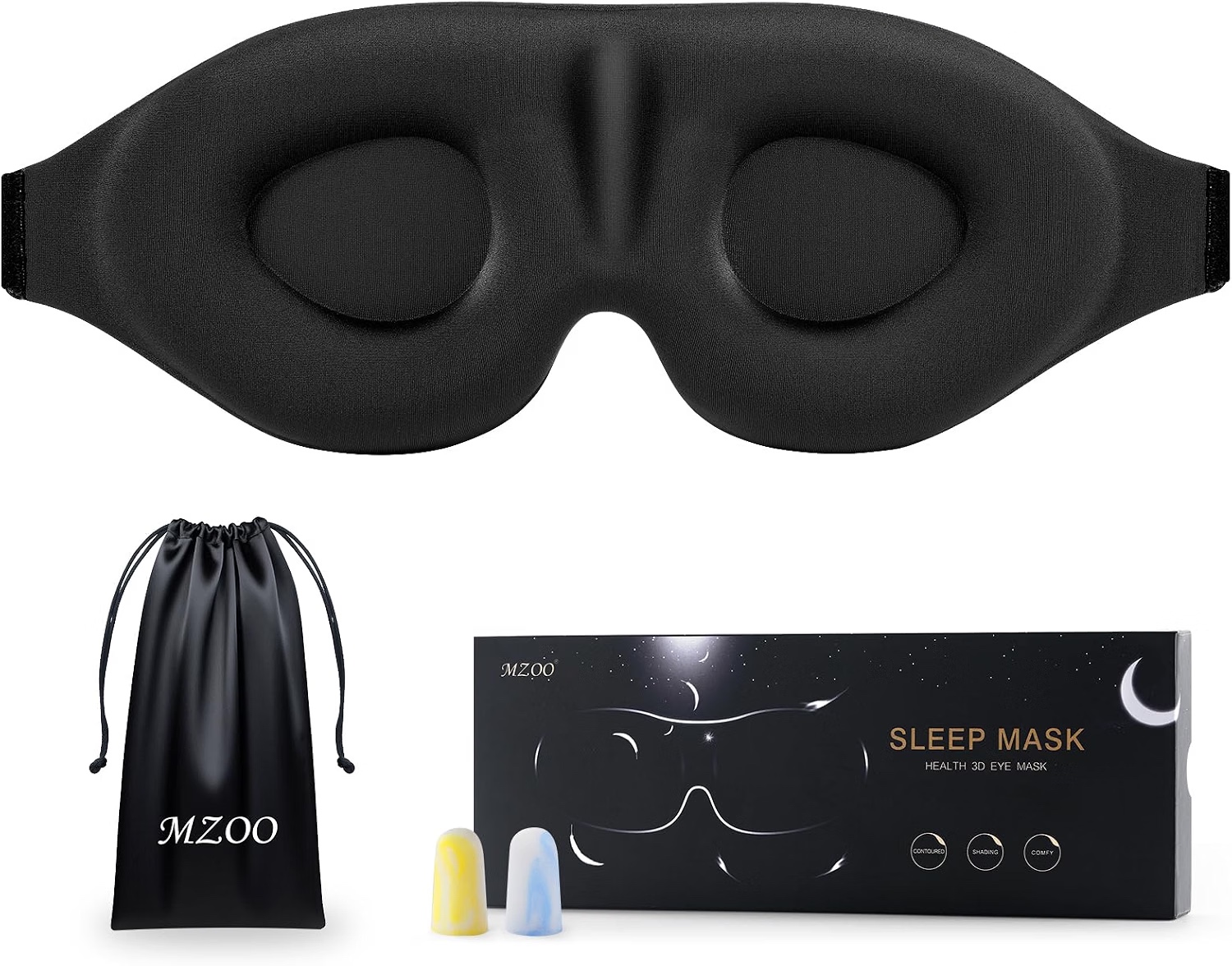
A sleep mask can help block light when resting during a long journey or in shared accommodation. Check the fit and what is included.
15. Give Yourself Time to Settle In on Your First Day
It can be tempting to schedule several attractions immediately after arriving, particularly when you have limited time in a destination. However, transportation delays, unfamiliar streets and the physical effort of travelling can leave you more tired than expected. I prefer allowing enough flexibility to check in, find somewhere to eat and become familiar with the surrounding neighbourhood. During my first day in Cancún, exploring the Hotel Zone and getting settled at my hostel were important parts of the experience. You do not need to accomplish everything immediately. A relaxed arrival day can help you begin the rest of your adventure feeling comfortable and prepared.
16. Explore Your New Surroundings at a Comfortable Pace

One of my favourite aspects of travelling independently is having the freedom to discover a destination without rushing from one attraction to another. Walking through accessible neighbourhoods can help you understand how a city is organised while discovering interesting cafés, public spaces and local shops. Research suitable pedestrian routes and consider joining a guided walking tour if you would like additional context about the destination. Familiarise yourself with nearby transportation stops and recognise a few landmarks around your accommodation. Exploring gradually during your first full day can make an unfamiliar place feel more manageable and help you become more confident navigating independently.
17. Learn to Enjoy Dining by Yourself

Eating alone can feel uncomfortable for someone who is accustomed to sharing meals with friends or family. However, it can gradually become one of the most enjoyable parts of travelling independently. You can choose the restaurant, decide what you want to eat and spend as much time enjoying the meal as you like. During my travels, experiencing local food has been an important part of discovering different destinations. If dining alone feels intimidating, begin with casual cafés, food markets or smaller restaurants. Remember that you are there to enjoy your meal and experience the destination, not to worry about what other people might think.
18. Accept That Some Moments May Feel Lonely
Solo travel is not always as exciting as the photographs people share online. There may be quiet evenings or moments when you wish you had someone beside you to share an experience. These feelings do not necessarily mean that travelling alone was the wrong decision. Give yourself permission to recognise how you are feeling instead of expecting every moment of your trip to be enjoyable. Calling someone at home, joining an organised activity or spending time in a welcoming hostel common area may help. You can also use quieter moments to rest and appreciate the freedom of deciding how you want to spend your time.
19. Be Selective About Sharing Personal Travel Information
Meeting new people can be a wonderful part of solo travel, but it is important to maintain personal boundaries. You do not have to tell everyone where you are staying, how long you will be in town or whether you are travelling completely alone. Friendly conversations can remain enjoyable without revealing sensitive information about your itinerary. If someone makes you uncomfortable by asking overly personal questions, you can politely change the subject or end the conversation. Being approachable does not mean making yourself available to everyone. Protecting your privacy allows you to enjoy social interactions while maintaining control over your independent travel experience.
20. Record the Small Details That Make Your Trip Special

Travel memories are often made up of ordinary moments rather than famous attractions alone. A meal you enjoyed, an unexpected sunset or a conversation with someone from another country can become a meaningful part of your adventure. Consider keeping a small travel journal, taking photographs or writing short notes on your phone throughout your journey. Creating Wallet Roamer has given me a way to share my own travel experiences and reflect on the things I have discovered along the way. Recording your experiences can help you remember details that might otherwise disappear over time, while also giving you something personal to look back on.
21. Discover Local Experiences Beyond the Popular Attractions
Well-known landmarks can certainly be worth visiting, but they are only one part of what makes a destination interesting. Take time to explore local markets, neighbourhood cafés, public parks and everyday spaces where residents spend their time. These experiences can help you appreciate a destination beyond its most photographed locations. Be respectful of cultural differences, personal privacy and local customs as you explore. Asking accommodation staff for recommendations can also help you discover places that suit your interests and budget. One of the advantages of solo travel is having the freedom to follow your curiosity without needing to follow someone else’s preferred sightseeing schedule.
22. Spend Time in Places Where Independent Travellers Meet
Travelling alone does not mean you have to spend your entire holiday without company. Hostels, communal accommodation spaces and organised activities can provide natural opportunities to meet people from different countries. You do not necessarily need to participate in every social event or stay in a crowded dormitory to enjoy these experiences. Sometimes, sitting in a shared lounge or exchanging destination recommendations can lead to an interesting conversation. Choose accommodation that matches your personality, whether you prefer a lively atmosphere or somewhere quieter. If you need help choosing where to stay, read my guide to the best hostels for solo and budget travellers.
23. Join Guided Activities That Match Your Interests
Booking a group activity can provide an enjoyable balance between travelling independently and sharing experiences with other people. Guided city tours, cultural workshops, cooking classes and organised day trips can introduce you to destinations that may be more difficult to explore on your own. They can also reduce some of the planning involved in visiting unfamiliar areas. Before making a reservation, check recent reviews, cancellation conditions, transportation arrangements and what the experience includes. Choose activities because they genuinely interest you rather than feeling pressured to meet new people. Even if you do not make lasting friendships, you can still enjoy discovering something new.
24. Connect with Other Travellers Through Online Communities Carefully
Online travel communities can be useful resources for discovering destination recommendations, accommodation suggestions and upcoming activities. They can also provide opportunities to connect with other independent travellers who have similar interests. However, approach online interactions with the same consideration you would use when meeting someone unfamiliar in person. Arrange initial meetings in busy public locations, avoid sharing sensitive personal information and maintain control over your own transportation arrangements. Be cautious about unexpected requests for money or accommodation. Online communities can complement your travel experience, but your comfort and personal safety should always take priority over the desire to make new friends.
25. Learn a Few Useful Expressions in the Local Language
You do not need to speak another language fluently before visiting a new country. Learning a few everyday expressions can make simple interactions more comfortable and demonstrate respect for the people who live there. Practise basic greetings, polite expressions and questions related to transportation, food and directions. Translation applications can also be helpful, especially when offline language packs are available. During international travel, communication challenges are sometimes unavoidable, but patience and kindness can make these interactions easier. Rather than worrying about perfect pronunciation, focus on making a genuine effort to communicate respectfully and understand the people you meet along the way.
26. Leave Enough Flexibility for Unexpected Adventures
Creating an itinerary can help you manage your travel budget and make the most of your available time, but scheduling every hour may take away some of the freedom that makes solo travel special. I like having a general idea of the places I want to visit while leaving enough time to explore at my own pace. You might discover an interesting neighbourhood, enjoy a longer lunch or decide to spend an afternoon relaxing somewhere beautiful. Keep essential reservations organised, but avoid creating unnecessary pressure to complete every planned activity. A flexible itinerary allows you to adjust your journey according to your interests, energy and circumstances.
27. Stay Aware of Your Surroundings and Local Customs
Exploring unfamiliar destinations becomes easier when you pay attention to the environment around you. Before visiting a country, research its cultural expectations, appropriate clothing and common transportation practices. Avoid displaying valuable belongings unnecessarily, particularly in crowded public areas. If you need to check directions or reorganise your luggage, find a comfortable location where you can do so without becoming distracted. Being respectful of local customs can also help you interact more comfortably with the community. The goal is not to become worried about every unfamiliar situation, but to develop practical habits that allow you to travel with greater awareness and confidence.
28. Trust Your Instincts and Prioritise Your Personal Safety
One of the most important freedoms of independent travel is being able to change your plans whenever something does not feel right. You do not have to stay in an uncomfortable environment or participate in an activity simply because other people encourage you to do so. Plan how you will return to your accommodation before going out in the evening, and use reliable transportation where possible. If you choose to drink alcohol, remain aware of your surroundings and keep your drink within sight. Making thoughtful decisions about your safety allows you to enjoy new experiences without ignoring your personal boundaries or comfort level.
29. Prepare Emergency Contacts Before You Need Them
Unexpected situations can happen anywhere, regardless of how carefully you prepare. Before departure, save the local emergency services number, your travel insurer’s assistance details and your accommodation’s contact information. International travellers should also know how to contact their country’s consular services if necessary. Keep a separate offline or printed copy of these details in case your phone becomes unavailable. Canadian travellers can find official information about overseas assistance through the Government of Canada’s emergency services for travellers. Having essential information organised beforehand can help you respond more effectively if something unexpected interrupts your journey.
30. Reflect on Your First Solo Trip and Start Dreaming About the Next One
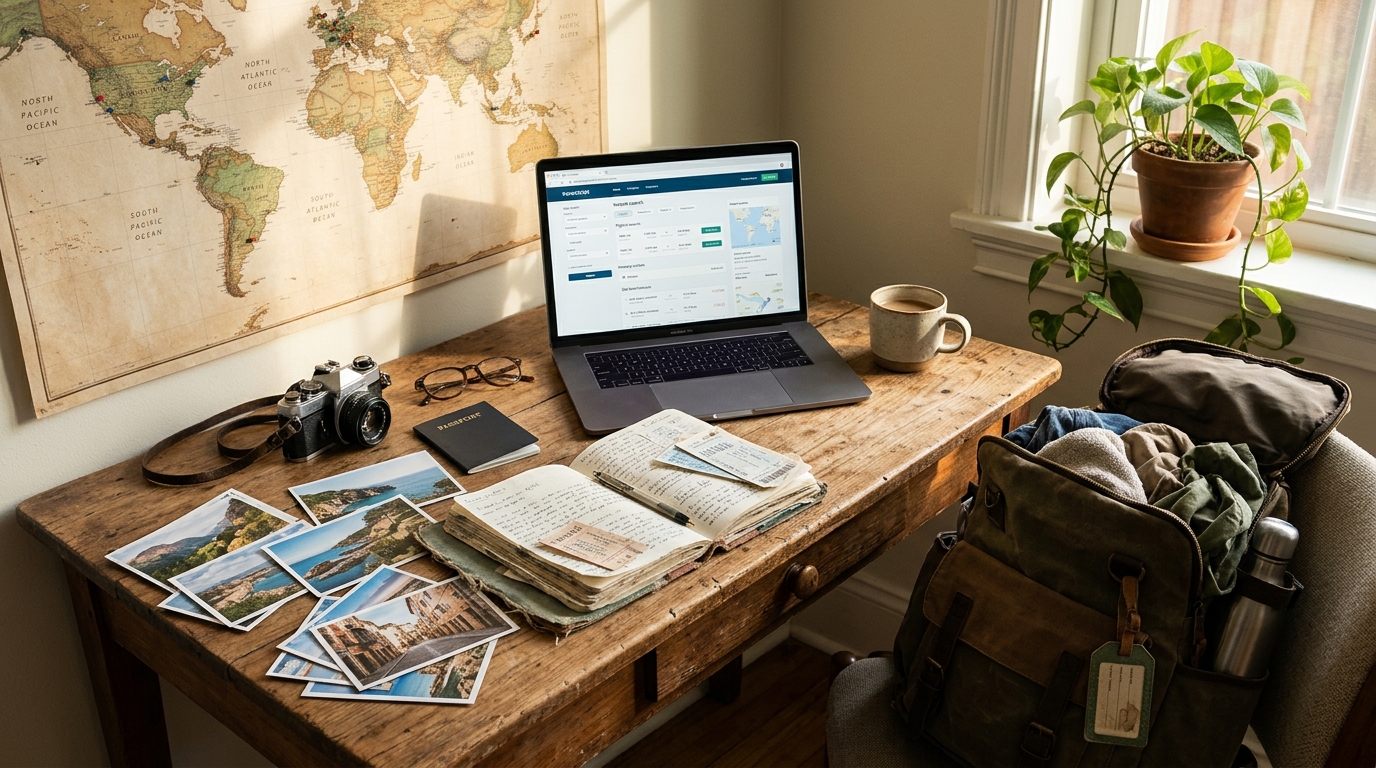
Returning home after travelling independently can be an opportunity to appreciate how much you have learned. Think about the experiences you enjoyed, the challenges you managed and the things you would approach differently next time. Every journey can teach you something about your interests, spending habits and personal travel style. Through my own adventures across different destinations, I have come to appreciate that travel is not simply about collecting countries or visiting famous landmarks. It is also about discovering what makes an experience meaningful to you. Your first solo trip might become the beginning of many more independent adventures.
Final Thoughts
Travelling alone for the first time does not require a perfect itinerary, an unlimited budget or years of international travel experience. What matters is preparing thoughtfully, recognising your personal comfort level and giving yourself the opportunity to explore somewhere new.
My solo travels have taught me to appreciate independence, flexibility and the simple pleasure of discovering a destination at my own pace. Every journey offers something different, whether it is a short airport layover, an affordable hostel stay or a birthday celebration in another country.
If you are ready to organise your first adventure, you can also read my guide on how to plan a solo trip for practical budgeting and itinerary advice.
Do not feel that you need to visit every famous attraction or recreate someone else’s adventure. The best journey is one that reflects your own interests, budget and personality.
Explore more. Spend less. And make your own journey.
Happy roaming!